You Can’t Teach Old Dogs New Tricks

The saying, “You can’t teach an old dog new tricks,” is often used as an excuse to avoid new approaches or trying something different.  But in the dog world, this is not true as dogs of almost any age can still learn new tricks. Animal training experts confirm that dogs of nearly any age are capable of learning. The Dog Whisperer with Cesar Millan offer numerous examples. These examples show how even older dogs’ behaviors can be successfully modified.  It’s the human animal that invented this excuse for stopping to learn after a certain age.  “I’m too old to change“ –  is simply an excuse to avoid the hassle of leaning or experimenting with something new. I’ve seen this firsthand with staff members and officers

read more   →

Manginhas: The Coastal Foraging Activity of My Youth

I remember manginhas from my youth. It feels like a lifetime has passed since I last did this simple yet rewarding activity. This coastal tradition is deeply rooted in my province’s way of life. For me, manginhas was more than a pastime; it was a direct connection to the sea and its abundance. What is Manginhas? The Riches of the Low Tide Manginhas is the local term for coastal foraging. It involves going to the beach or shallow areas during low tide. We collect exposed marine life entirely by hand. This included various shellfish, small fish, and seaweed left behind by the receding water. I fully enjoyed this activity for many reasons. First, it meant spending a good portion of the day on the beach.

read more   →

My First Exposure to the Media Industry

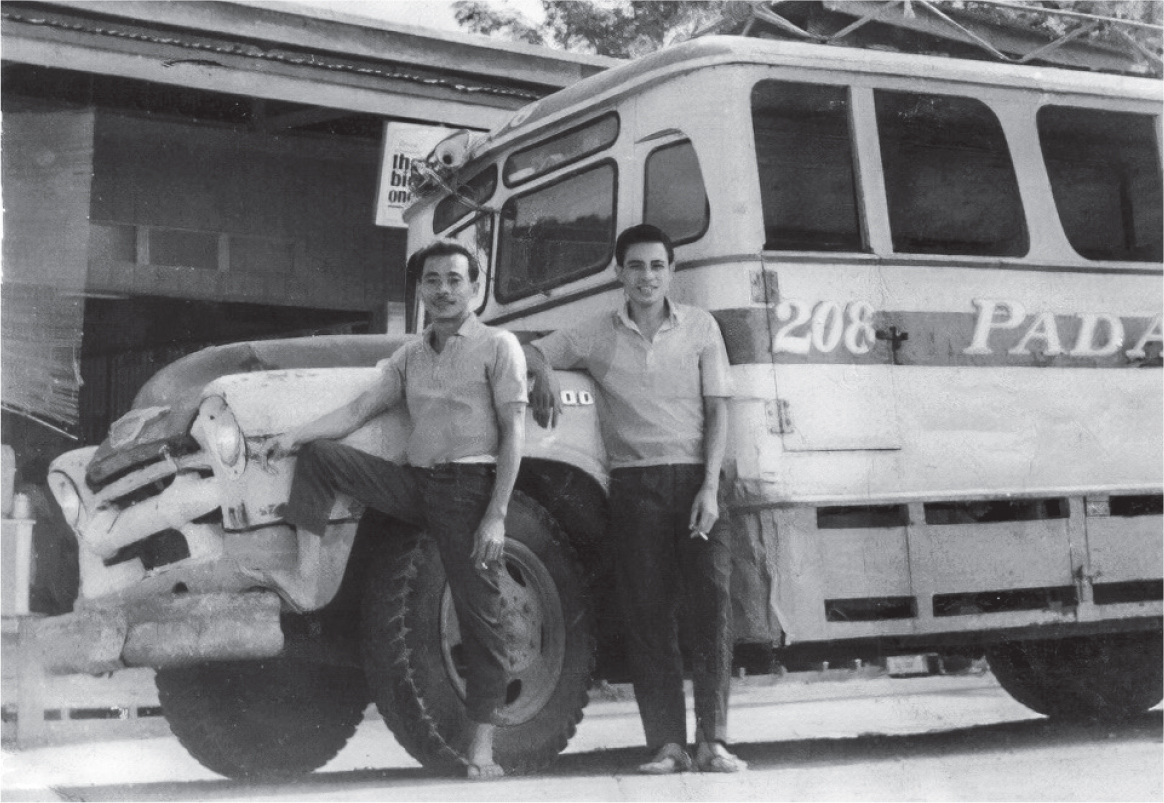
In my youth, back in Padada, I had a lot of odd jobs – specially during the time when Papang was bedridden because of his accident. At that time, we all had to pull our weight. We also had to figure out ways to earn money.  It was during this turbulent time that I had my first exposure to the media industry – specifically, print media. Of all the things I was throughout my life, my first media-adjacent job was as a Newspaper Boy. The late 60’s was a different time. Our town was more than two hours away from the city by bus. As a result, the day’s newspapers arrived at the town’s lone distributor shortly after lunch.  This stall was the only place

read more   →

Selling Homegrown Vegetables: A Lesson in Resourcefulness

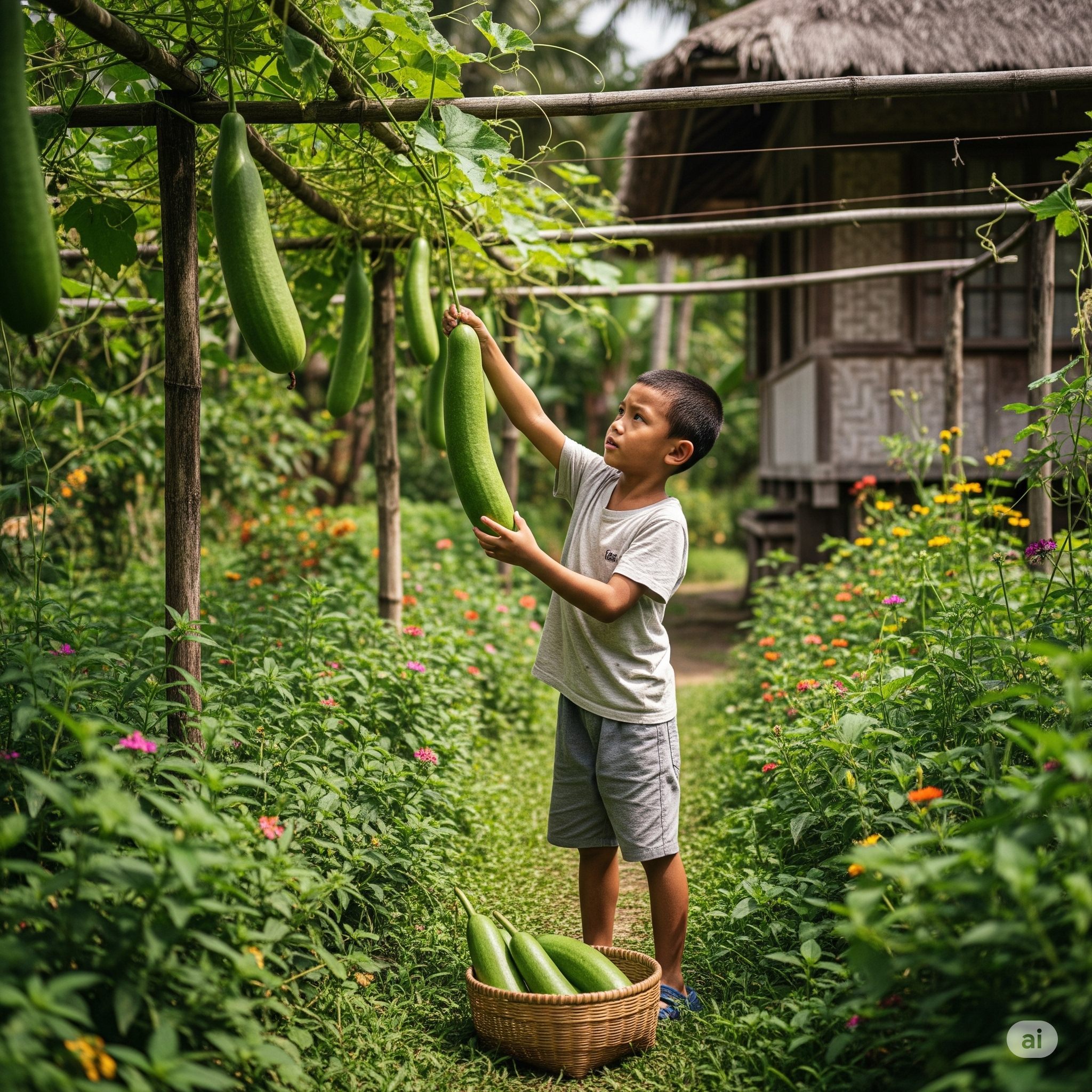
A Childhood of Resourcefulness  Growing up, money was difficult, and resourcefulness was key to making ends meet in Padada. I often worked odd jobs like shining shoes or selling newspapers. However, one thing I will always be grateful for is that we had a large backyard. This meant we had land  to make the most of. The Value of Fresh, Homegrown Produce In our backyards, we grew vegetables.  We had some malunggay, alugbati, camote tops, okra, and eggplants. These veggies were easy to grow and were our staples.  Whatever we harvested, we cooked and ate. We also share some with our neighbors. That access to fresh produce, literally at our doorstep, is something I definitely miss now that I am living in the metropole. Turning

read more   →

Mangopras: The Backbreaking, But Rewarding, Process of Making Copra

The process of making copra from coconuts, popularly known as mangopras, is a backbreaking process. I know how demanding the work is because I used to do it many years ago, The process of turning the coconut fruit—which is technically a drupe, not a nut—into a sellable product is what we call mangopras. This term mangopras encompasses all the steps involved. The Seven Steps of Copra Production The complete process of turning a coconut into copra involves seven or eight primary, sequential steps: Sungkit (Harvesting): Hooking the coconut from the tree using a panungkit (a long, sectional bamboo pole). Tapok (Gathering): Collecting the fallen coconuts into a heap. Hakot (Transporting): Bringing the gathered coconuts to the processing area, known as the koprasan. Preparasyon (Preparation): This

read more   →

Mananggi – it’s all about Corn, and One Neighbor’s Generosity

  For most Filipinos, the staple food was rice; for us, rice is a luxury. Corn was our staple. In my childhood, pre-1972, we only ate rice during very special occasions, and when we did, it was either lugaw or champorado. Milled corn was our main source of carbohydrates; our only food, in fact, on most days.  I remember our neighbor, Nong Peping, had a plot of corn right behind our neighborhood’s cluster of houses. It was his sister’s land, but he was the one who farmed corn on it. He got ⅔ of the harvest, while his sister got the other ⅓. Nong Peping told us that this sharing was fair, and is actually the standard practice in all landlord-tenant relations.  When the corn

read more   →

At 25

              Today as I turn 67, let me share with you a feature article about me, published in the Business Mirror in December 11, 2016.  The discussions with Roger covered my professional life from the time I joined CRC to the time I left Omnicom Media Group to volunteer in the Duterte presidential campaign. Much has happened after that, and I think I should be writing about it in a separate blog. Roger Pe, a veteran Creative Director, wrote this piece about what I was like around the time when I was 25. We had an initial face to face interview after which he sent me a set of questions via email and asked for a photo of me

read more   →

Alon

Alon Lunurin mo ang aking kasamaan Ihampas sa dalampasigan Ang sama ng aking budhi Maging malakas ka Ihatid mo at ilibing Sa pusod ng dagat Ang sala ng sanlibutan ***   a poetry in Filipino written by Nic Gabunada and published in Davao Harvest An Anthology edited by Tita Lacambra Ayala and  Alfredo N. Salanga 1979   ****This was also published in my earlier blog www.wednesdayswithnic.com on June 29, 2011

read more   →