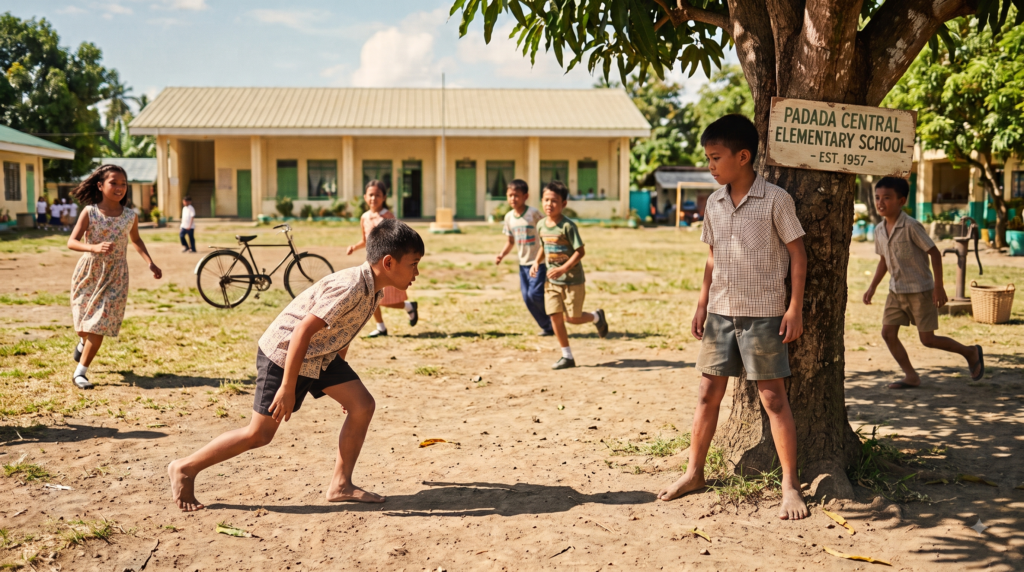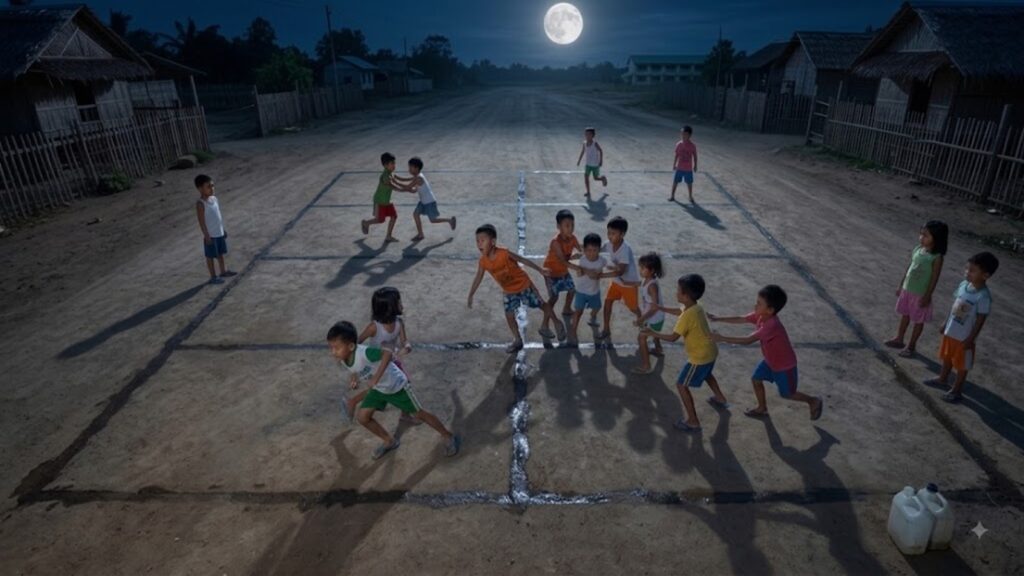
In my youth, back in Padada, I had a lot of odd jobs – specially during the time when Papang was bedridden because of his accident. At that time, we all had to pull our weight. We also had to figure out ways to earn money.
It was during this turbulent time that I had my first exposure to the media industry – specifically, print media. Of all the things I was throughout my life, my first media-adjacent job was as a Newspaper Boy.
The late 60’s was a different time. Our town was more than two hours away from the city by bus. As a result, the day’s newspapers arrived at the town’s lone distributor shortly after lunch.
This stall was the only place in all of Padada where you could buy newspapers; they also sold magazines, comics, and other reading materials.
In those pre-Internet days, there was no rush to sell these weekly publications. In fact, they made more money just renting them out to the people. Moreover, this stall was a mini library of sorts. You could pay a fixed fee if you wanted to read at the store’s reading table.
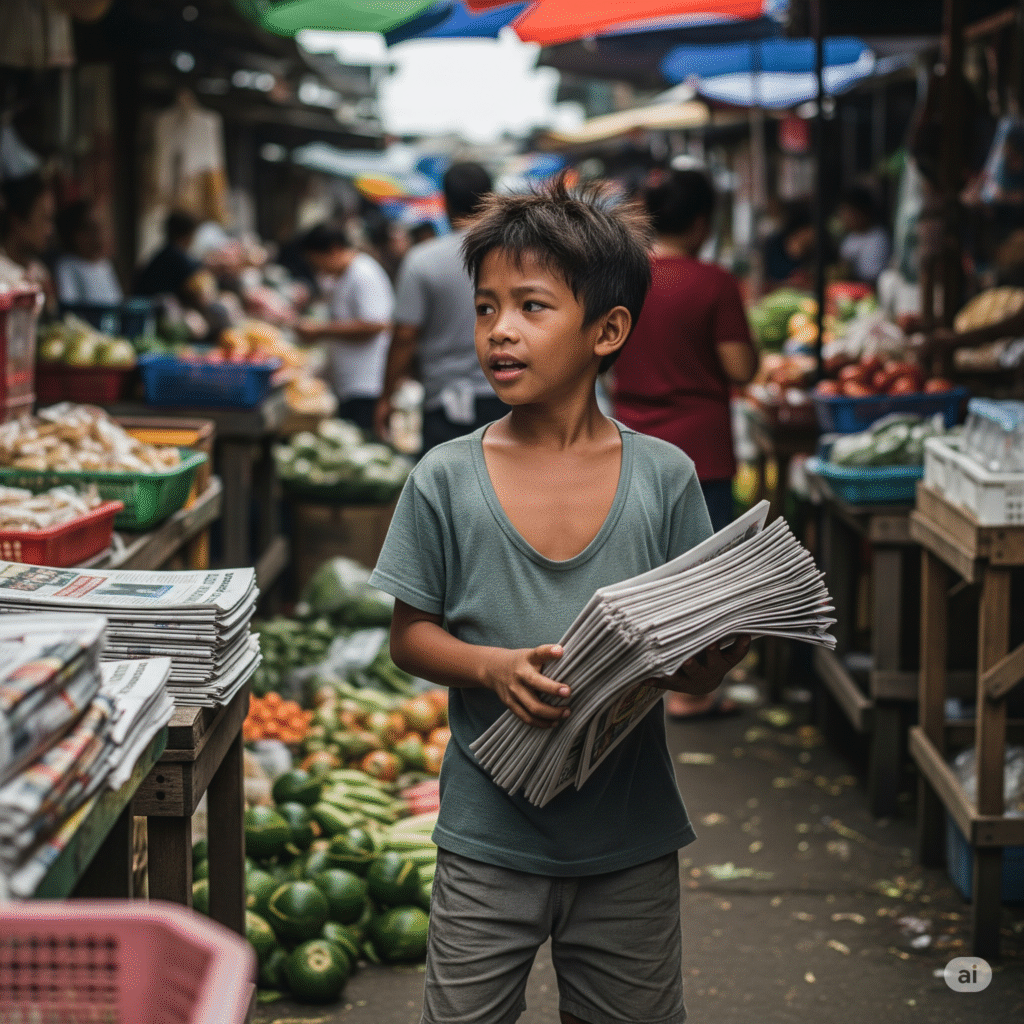
My role as Newspaper Boy had me going to the stall right after lunch to get a few copies of the day’s newspapers. I worked for a commission – I got 10 centavos per newspaper that I sold.
I went around the market offering newspapers to people who I thought would be the most likely to buy. However, I would barely sell any. People in Padada weren’t fond of reading the day’s news in the newspaper. Instead, they rather got their news from the radio.
So in a way, the printed media was literally old news in this small town in Davao in the late 60’s. This was because they would already know the news from this morning’s radio broadcast.
My stint as a Newspaper Boy was short-lived. I concluded that I should look for better ways of making money than selling newspapers. People from my town don’t spend money on newspapers – why would they, when the radio keeps them up-to-date with what is happening in the world?