There was a year in grade school when my father promised me a bicycle if I topped my class. I studied like that bicycle was already mine. I never got it. What I remember, decades later, is that the promise itself — made by a
October 25, 2026 · 4 min read · Notes from the Field
In modern political theater, a sound bite is meant to be a masterclass in persuasion. Sometimes, though, it turns into pure comedy. When spin doctors aim for gravitas, they occasionally deliver a punchline instead—proving that the public remembers the absurdity rather than the intended propaganda.
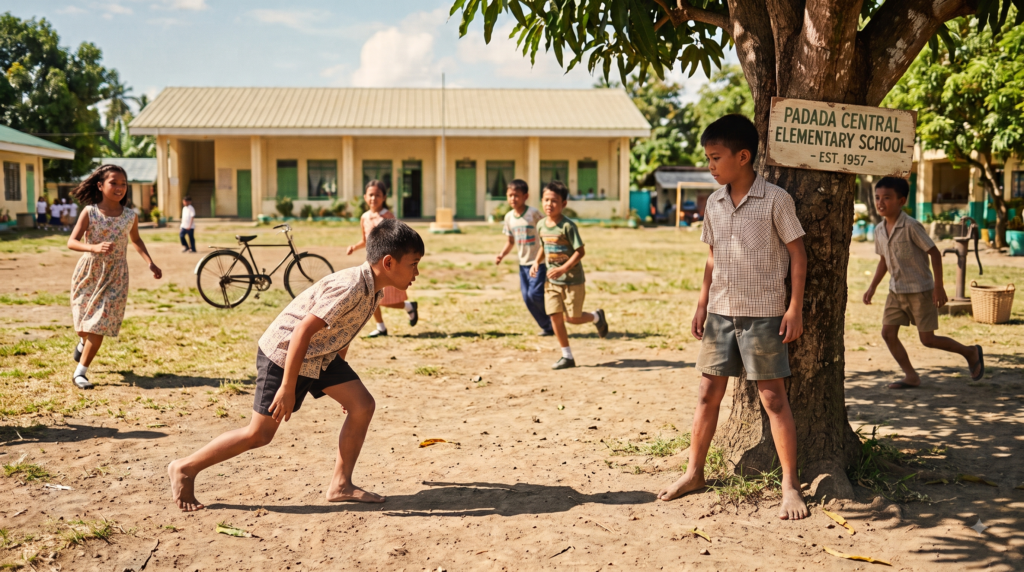
Series: Game of Titos and Titas – Part 8 Key Takeaways Tigso is the Bisaya name for the game known in Tagalog areas as agawan base Two teams of five to eight, two bases — a pole, a tree, a rock, whatever the schoolyard offered
After nearly 40 days of presenting evidence, the prosecution withdrew Articles I, III, and IV of the impeachment complaint. However, the defense is still expected to remain silent on those withdrawn allegations. Here is an analysis of why restricting the defense’s response undermines fundamental fairness.
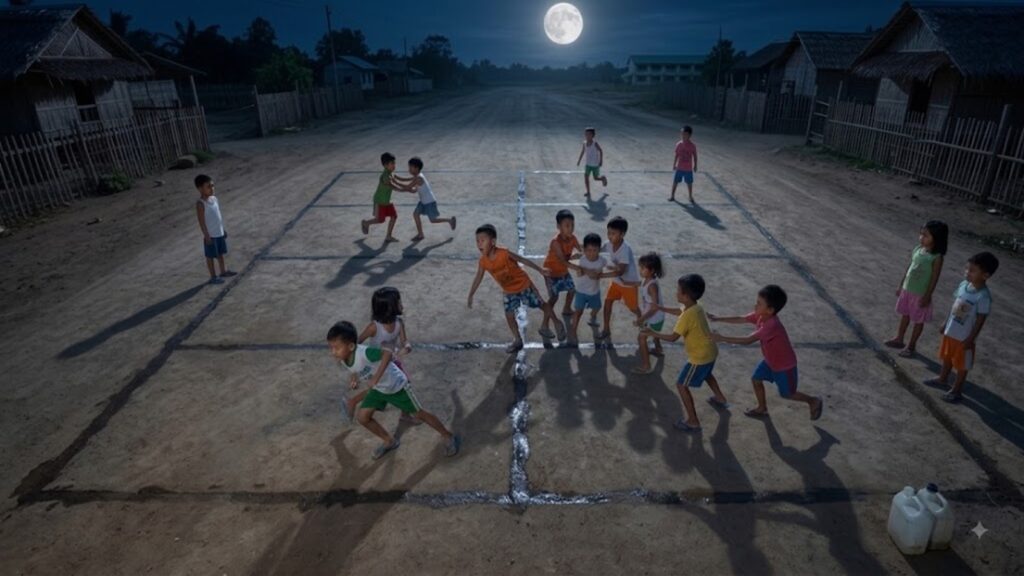
Series: Game of Titos and Titas – Part 9 Key Takeaways Tubig-tubig is the Bisaya name for the game known in Tagalog areas as patintero The name comes from the water we used to draw the lines on a dusty road — the only game
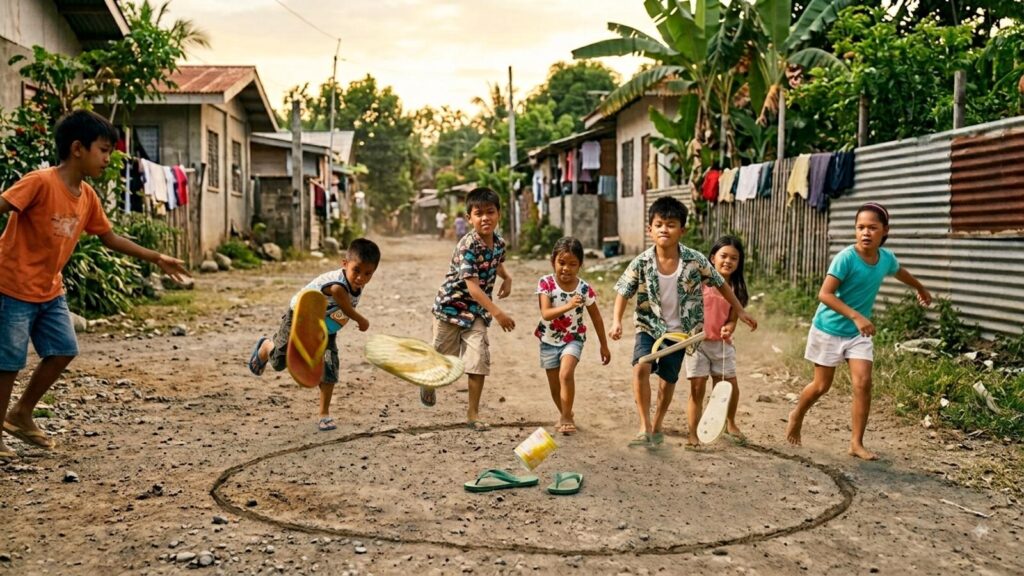
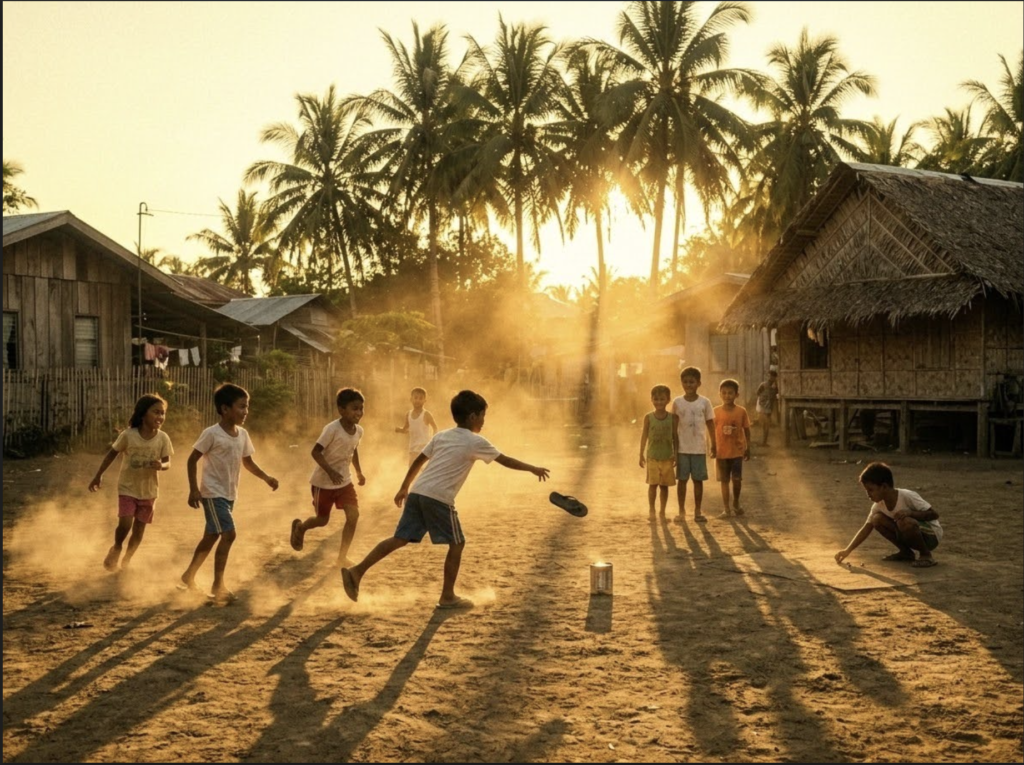
Series: Game of Titos and Titas – Part 6 Key Takeaways In Padada we called it tumba lata — knock the can. In Tagalog areas it’s tumbang preso It was the easiest game to get going, because nobody had to fetch anything — the equipment
October 5, 2026 · 10 min read · Notes from the Field
We’ve been hearing about El Niño for as long as most of us can remember. It usually means hotter days, less rain and reminders to save water. Then the rains return, the dams refill and life goes on. This time feels different. The media now
October 1, 2026 · 6 min read · Notes from the Field
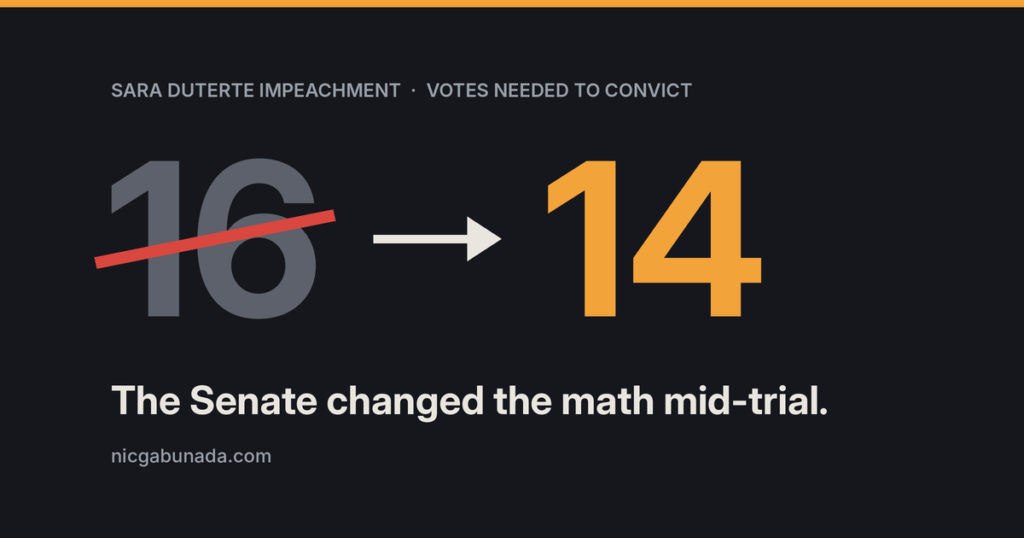
Every fair contest rests on one simple rule: you don’t move the goalposts once the game has started. In the impeachment trial of Vice President Sara Duterte, the goalposts moved on September 23. A week later, on September 30, the Supreme Court had the chance
Before video games, smartphones, and tablets, children played outside, engaging in Larong Pinoy—the traditional Filipino games that defined our childhood. We didn’t need anything expensive. For most games, all you needed were a few friends. If a game required equipment at all, you found it