Have you heard of the “Broken Windows Theory”?
The “Broken Windows Theory,” introduced in 1982 by criminologists James Q. Wilson and George L. Kelling, suggests that visible signs of disorder encourage further rule-breaking and more serious crime. This concept uses the metaphor of a building with broken windows, illustrating how unchecked neglect reveals a lack of rule enforcement and a tolerance for negative behaviors. Notably, consistently enforcing laws against minor issues, the “petty” things, actually reduces overall crime incidents. This principle is extremely relevant as numerous “broken windows” currently confront us in the Philippines.
How MMDA’s Gabriel Go Fixes “Broken Windows” and Addresses Public Disorder
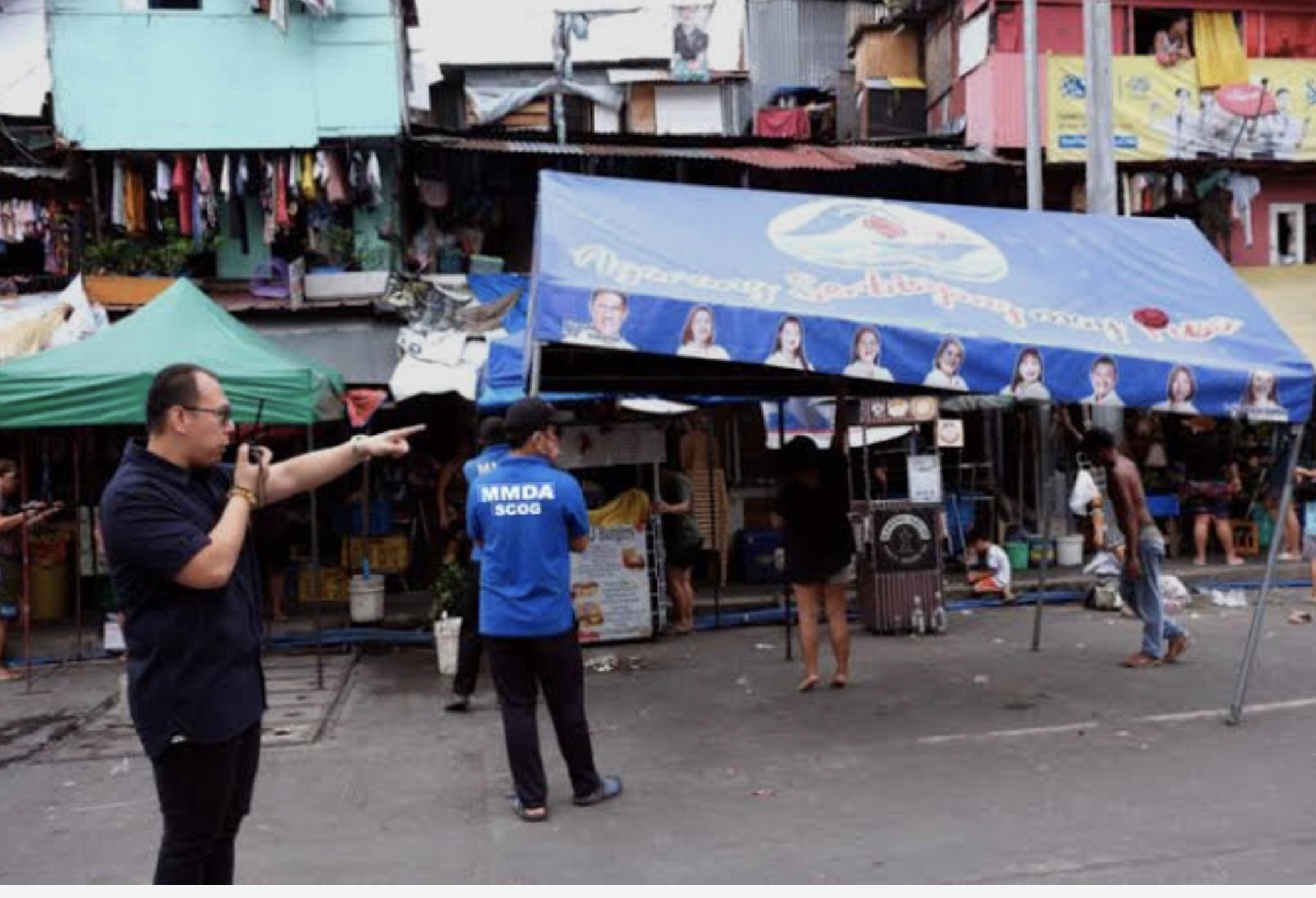
One recent issue that gained viral attention centers on Metropolitan Manila Development Authority (MMDA) Special Operations Group – Strike Force (SOG-SF) head Gabriel Go. Go and the SOG-SF enforce their mandate to clear the streets of these “broken windows.” As part of their effort, a vlogger posts their raw, immediate content on social media through a partnership. I find watching him clear streets and sidewalks of illegally parked vehicles and obstructions both relaxing and cathartic. Also, Gabriel Go enforces the law without picking sides or giving concessions. This ensures a violator, whether rich or poor, must face the consequences of breaking the law.
Go’s team carries out these concrete actions—demolishing illegal sidewalk structures, confiscating obstructions like boxes and umbrellas, and towing illegally parked vehicles—firmly but always respectfully:
- Demolishing illegal structures that encroach on the sidewalk.
- Confiscating obstructions like boxes, tables, chairs, and umbrellas that illegally block the sidewalk.
- Towing illegally parked and unattended vehicles.
Notably, the team never confiscates vendors’ goods (paninda), only the makeshift shelves that obstruct the public walkway, a distinction the public appreciates because it shows the MMDA doing its job with tangible results. Because the MMDA demonstrates tangible results, people can now walk freely on the sidewalk. Additionally, the team receives congratulations for a job well done.
The Viral Confrontation and Legal Fallout
Go’s work went viral following an incident where media outlets reported he “berated” a police captain who was illegally parked in front of a police station. Viewing the vlog, the confrontation was typical of Go’s style: he confronted the police captain after disapproving of the officer’s reaction to his personnel enforcing the no-parking rule on the sidewalk.
Although we don’t know the entire context, calling the interaction a “berating” might be an overstatement, as Go was his usual self—no nonsense, straightforward, firm, yet respectful, refusing to back down.
After a certain senator made public statements on social media, the situation escalated. This resulted in the police captain subsequently filing a cyber libel complaint against Go. In response, Go publicly apologized and faced a show cause order from the MMDA. The agency required him to undergo a five-day training and coaching on “traffic management, focusing on leadership, courtesy, and discipline and with special attention on stress and anger management” while retaining his position as head of the SOG-SF.
Clearing Operations: Monetized Content vs. Education
A layer of complexity arises from using social media to document and post these clearing operations, as this effectively turns them into content, raising ethical questions, especially since a vlogger posts the videos and earns revenue from them.
However, Go’s well-meaning intention is to use social media to educate the public about traffic rules and policies. While people can debate the ethics of turning enforcement into content, it remains clear that Gabriel Go was addressing “broken windows” well within his official mandate. This made it the right thing to do and resulted in a satisfying restoration of order.
As of the date and time of this writing, the vlogger who posts about Gabriel Go has not released new clearing videos. But in my opinion, the MMDA should continue addressing these “broken windows” even without the online visibility. We must continuously clear the sidewalks of obstructions to improve our cities and towns, including items such as:
- Huge plant boxes
- Motorcycles, bicycles, and tricycles
- Vendors’ carts
- Clotheslines
- Makeshift road signs
- Untidy electric, cable, and telephone posts
Email: nicgabjr@gmail.com X:@nicgabunada