Game of Titas: Jackstone

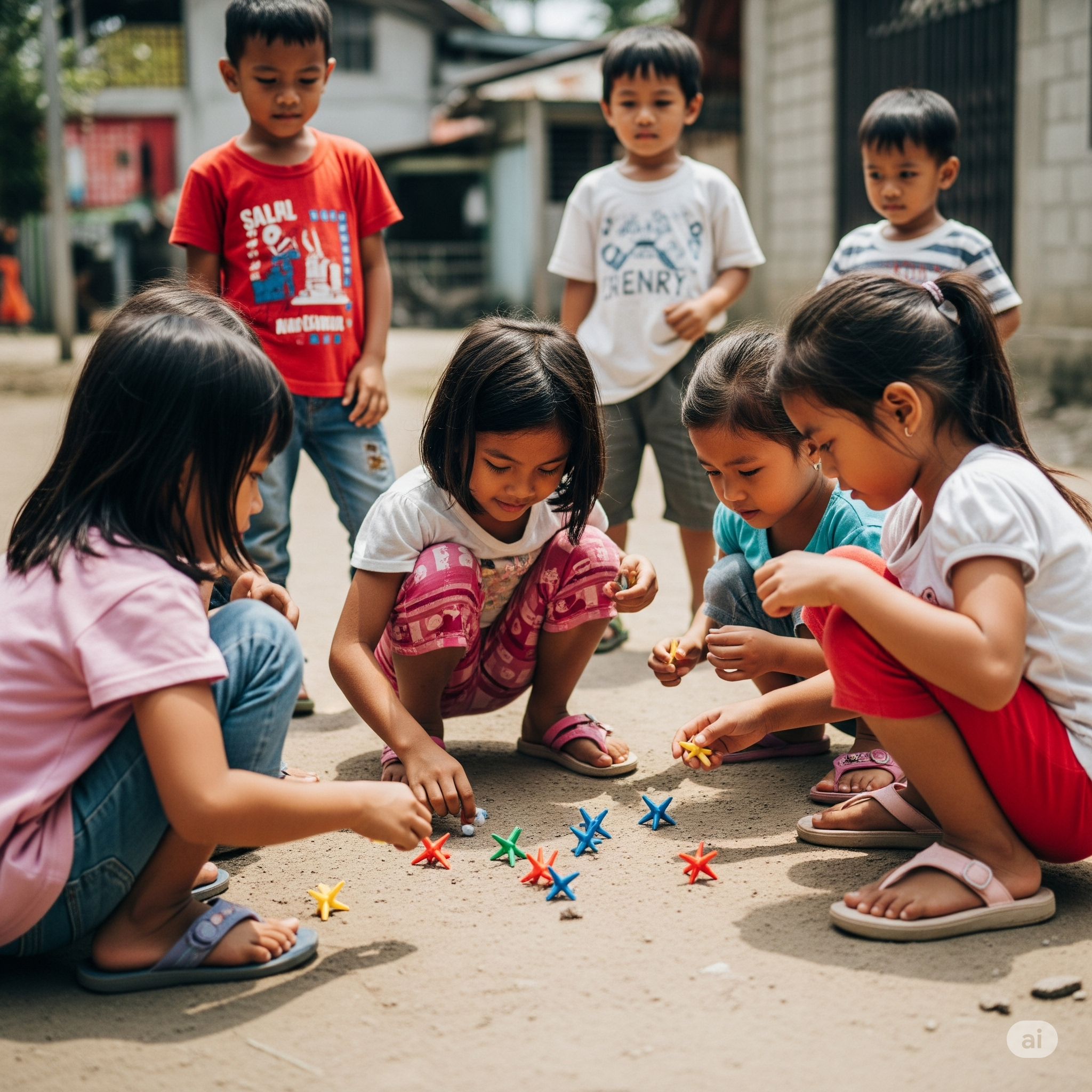
Before the advent of video games, smartphones, and tablets, boys and girls used to play outside with their friends. Children didn’t need fancy and expensive gadgets to have fun. For most games, all you needed were a few friends – if you did need some equipment, it was mostly things found outside, around the house, or were relatively inexpensive (if you needed to purchase them).  From the basics, like habulan, patintero, or tumbang preso, there’s a lot of traditional games Filipino children from around the country play. Nowadays, it seems like only the titos and titas are the only ones who remember these classic games and how to play them.  This is a series I’d like to call Games Children No Longer Play. Join me

read more   →

Game of Titos and Titas: Syatong

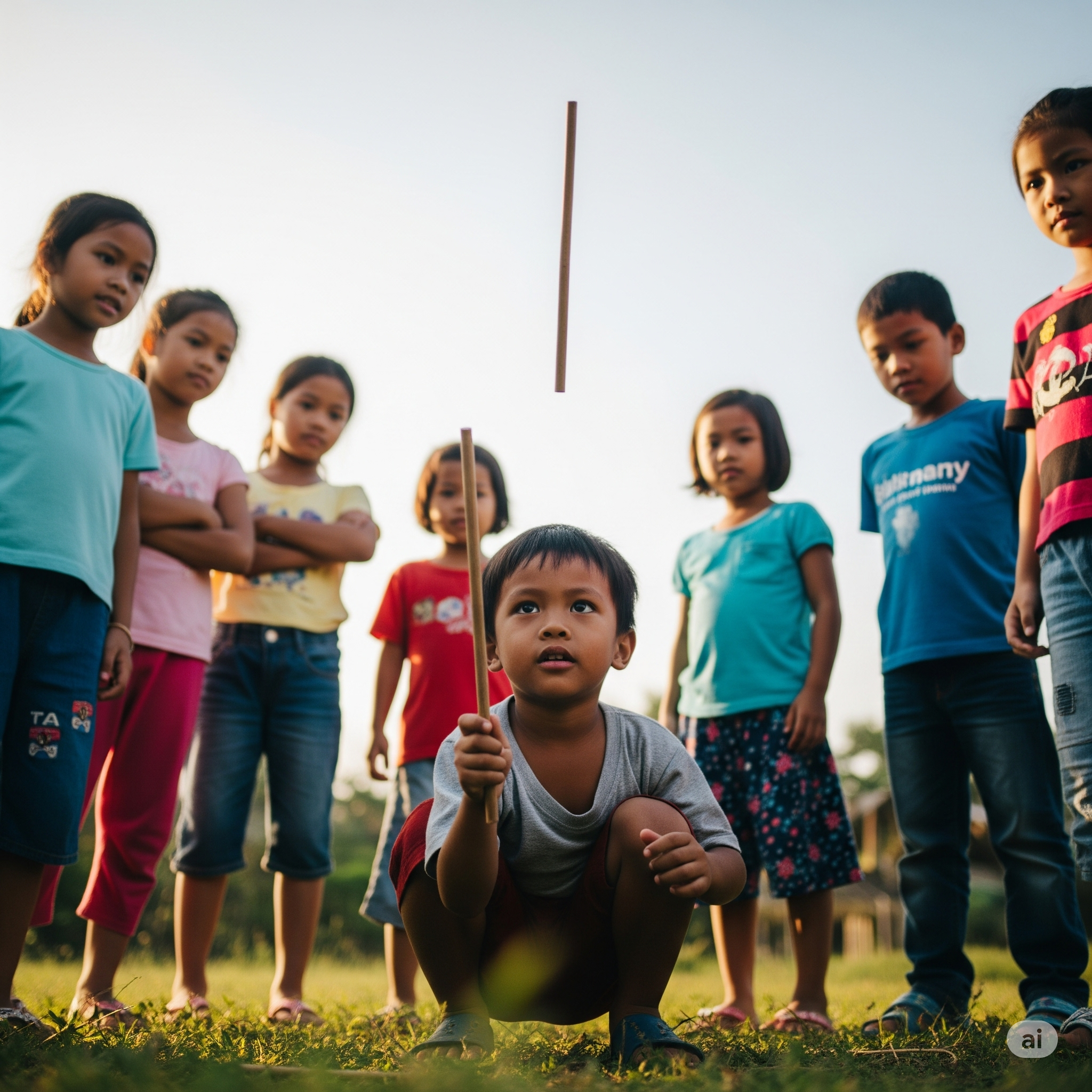
Before the advent of video games, smartphones, and tablets, boys and girls used to play outside with their friends. Children didn’t need fancy and expensive gadgets to have fun. For most games, all you needed were a few friends – if you did need some equipment, it was mostly things found outside, around the house, or were relatively inexpensive (if you needed to purchase them).  From the basics, like habulan, patintero, or tumbang preso, there’s a lot of traditional games Filipino children from around the country play. Nowadays, it seems like only the titos and titas are the only ones who remember these classic games and how to play them.  This is a series I’d like to call Games Children No Longer Play. Join me

read more   →

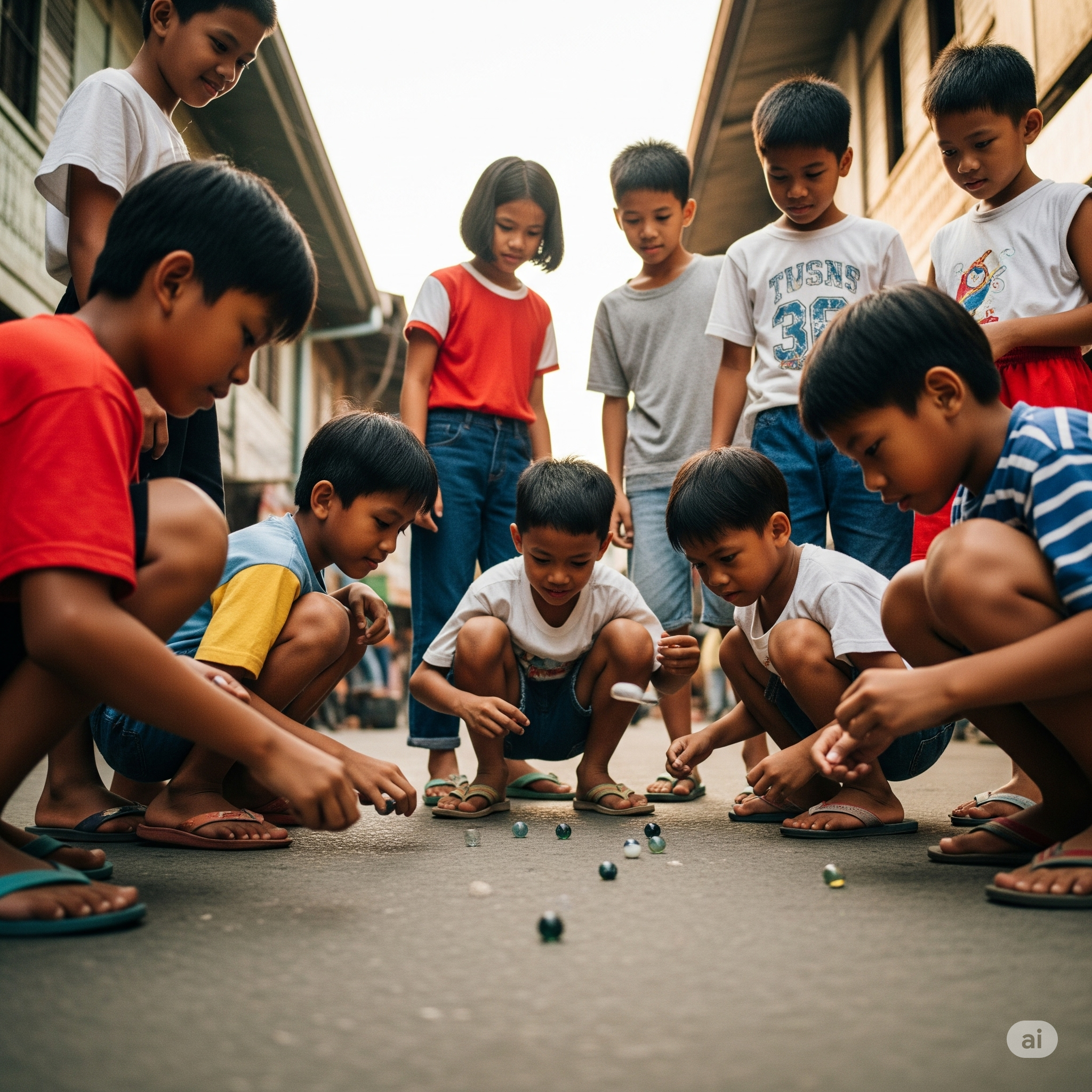
Game of Titos: Holen

Before the advent of video games, smartphones, and tablets, boys and girls used to play outside with their friends. Children didn’t need fancy and expensive gadgets to have fun. For most games, all you needed were a few friends – if you did need some equipment, it was mostly things found outside, around the house, or were relatively inexpensive (if you needed to purchase them).  From the basics, like habulan, patintero, or tumbang preso, there’s a lot of traditional games Filipino children from around the country play. Nowadays, it seems like only the titos and titas are the only ones who remember these classic games and how to play them.  This is a series I’d like to call Games Children No Longer Play. Join me

read more   →

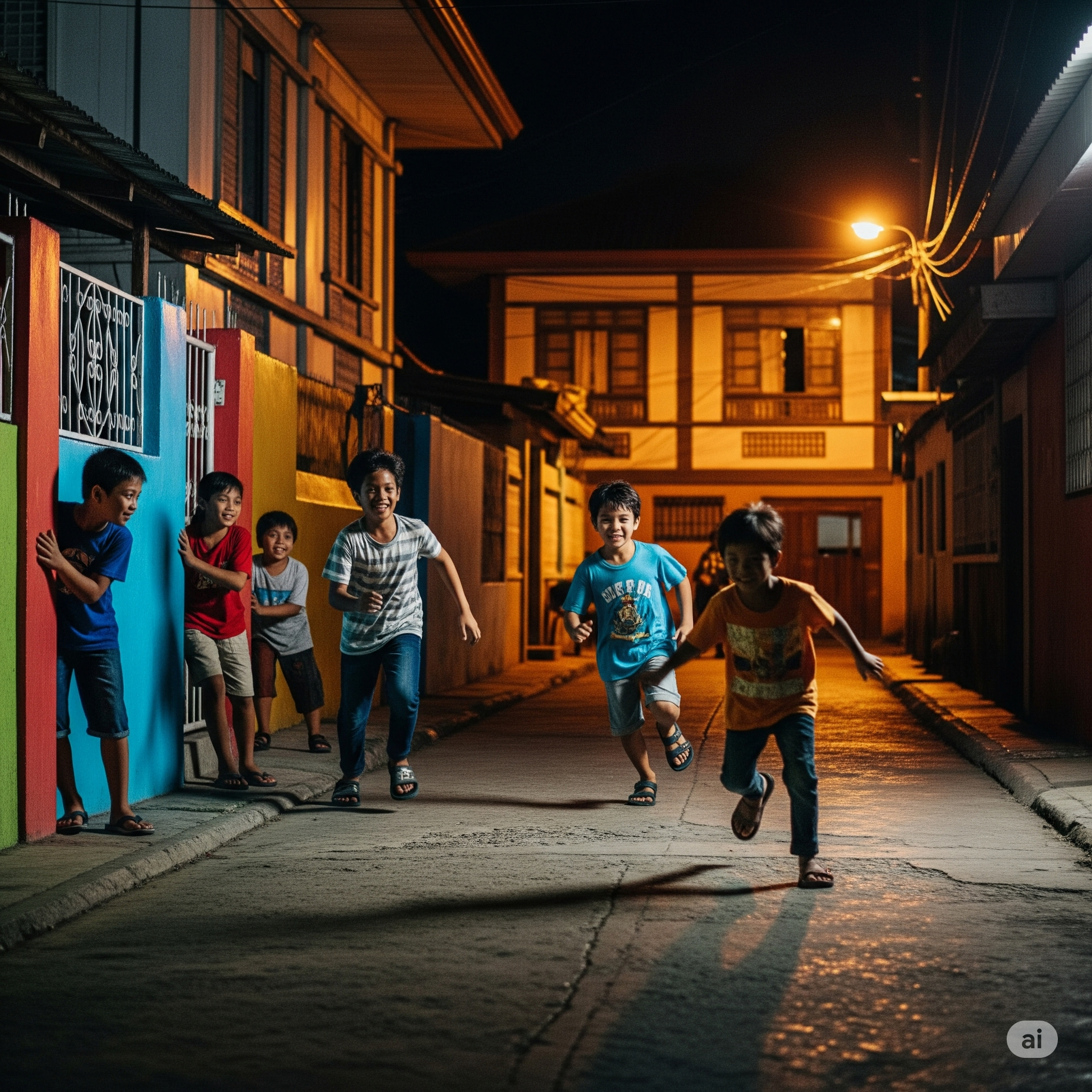
Game of Titos and Titas: Birus

Before the advent of video games, smartphones, and tablets, boys and girls used to play outside with their friends. Children didn’t need fancy and expensive gadgets to have fun. For most games, all you needed were a few friends – if you did need some equipment, it was mostly things found outside, around the house, or were relatively inexpensive (if you needed to purchase them).  From the basics, like habulan, patintero, or tumbang preso, there’s a lot of traditional games Filipino children from around the country play. Nowadays, it seems like only the titos and titas are the only ones who remember these classic games and how to play them.  This is a series I’d like to call Games Children No Longer Play. Join me

read more   →

Throwback to a Bygone Era – Playing Lastiko, and the Lessons it Taught Me

Kids nowadays rarely play outside with their friends. Most of the time, their noses are glued to the screen of their tablets, smartphones, computers, or other video game consoles. They rarely see the sun or shed a drop of sweat. Looking at the children now and the games that they play, my childhood seems so radically different. Bygone era, indeed.  Growing up, my parents could hardly keep me inside the house. There were still no video games back then; even if there were, I knew my parents could not afford to buy me one.  So, I grew up playing outside with friends. We didn’t need any fancy, expensive equipment. All I needed were my closest friends and neighbors, and a free afternoon. I go home

read more   →

Musings from eight years ago for a Better Philippines

Saw this in my notes from eight years ago: Three things will guarantee the country’s image as an investment haven: tough bureaucratic and economic reforms, tax system overhaul, and an infrastructure build-up. I believe it was true then, and it is still true now.  If you think about it, the groundwork for the last two was already laid with the TRAIN Law, CREATE Law etc., and the Build Build Build project.  We need to keep moving forward – and my hope is that our current and future leaders work together in order to change the country for the better.  Enough of the politicking.

read more   →

The Art of Shining Shoes

Limpya Bota is a lost art. It was once a ubiquitous part of life, before the advent of those do-it-yourself liquid shoe polish that you buy at the grocery store. You shake it, press it directly on the shoe, slather it all over the surface and you are done. Convenient, yes, but soulless.  In Cebuano, Limpya means to clean up, and Bota means boots. It’s exactly the same in Spanish, although with a slightly different spelling. Shoe shiners are called limpiabotas both in Madrid and in Padada. At one point in my past, I was proud to be one of them.  You see, it was the 70s. Money was tight, and Papang was still recovering from his accident. We had to pull our weight so

read more   →

The Most Difficult Times of Our Lives

Sometimes, life just gives you one challenge after another – and it’s up to you to see how you can rise to it.   Just after my graduation from elementary school, Papang got into an accident. The vehicle he was driving was rammed by a passenger bus. He survived – but he sustained serious injuries.  We didn’t have any money, and Papang’s release from the hospital was delayed because we couldn’t pay his medical bill. It was only after he and Mama signed a promissory note that he was able to leave the hospital. Life was tough before, but this accident made it even worse. Papang was bedridden for more than six months. We could not afford a wheelchair, so he was on crutches for more

read more   →

A Lesson in Perseverance: A Father’s Incentive of Delayed Gratification

The Drive to Excel: Scholarship and Perseverance Penury spurred me and my siblings to excel and persevere in our studies. For me, academic excellence was crucial for survival.  “Apart from my desire to always excel in academics, it was imperative of me to maintain my scholarship. Otherwise, I would not be able to continue my schooling if we were to pay my tuition and other fees”. Papang’s Bicycle Incentive at Padada Central Elementary School Papang motivated his children with a thoughtful incentive, promising a bike to any child who topped their class at Padada Central Elementary School. For me,  the bicycle represented tenacity, convenience, and the primary means of affordable mobility around Padada, which Papang and many others used daily for work. A Symbolic Reward:

read more   →

The Land of Luck and Opportunity

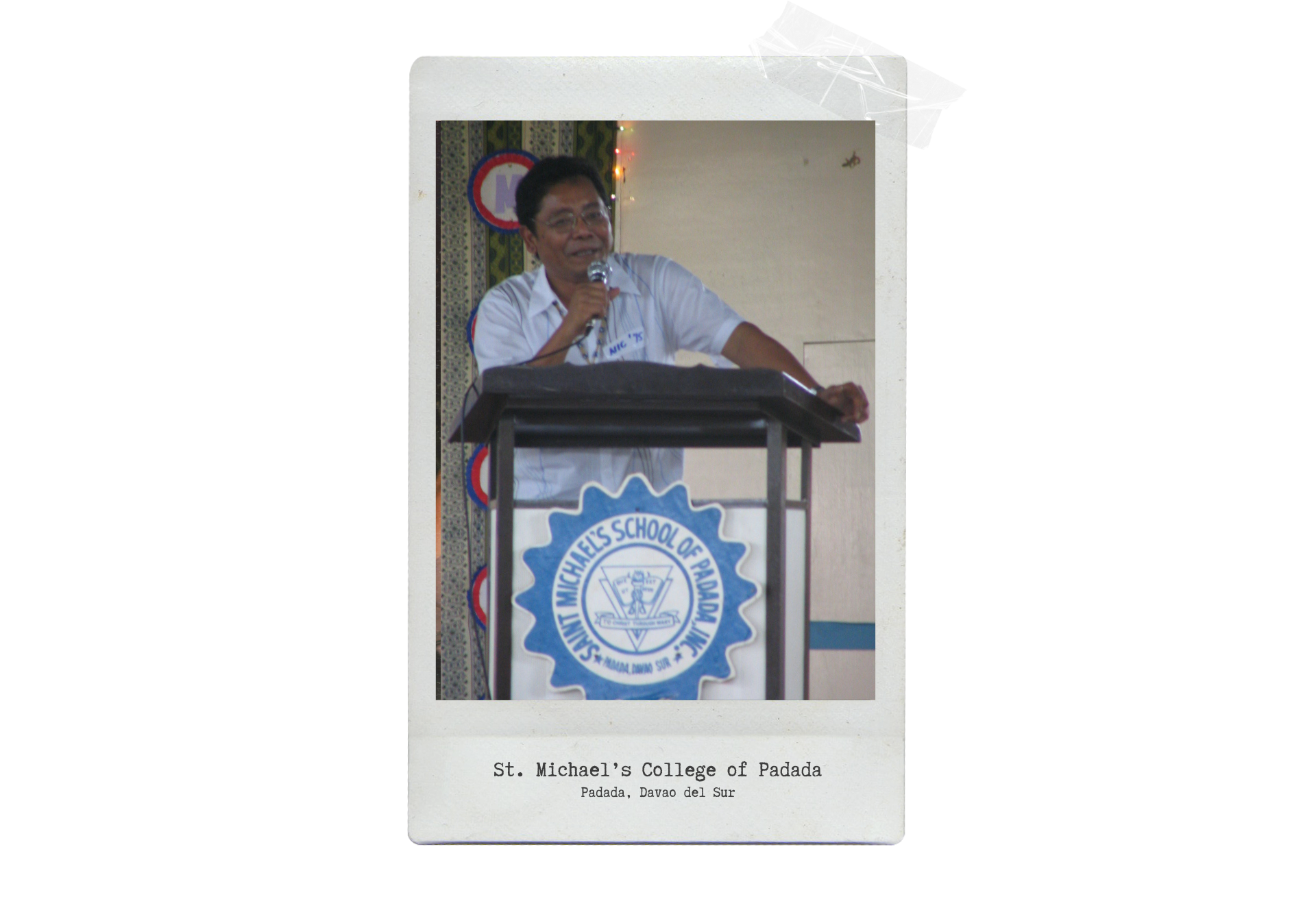
Padada, my hometown, is named after an extinct mangrove species that once was abundant in the region. According to a study by Lucille G. Tanguihan*, “age old tradition” says that the Padada tree brings good luck – whether true or not, no one can truly say.  My family is of migrant stock – like most of the inhabitants of Mindanao, we can trace our lineage to those who joined the “Great Exodus” of the 1900s. Mindanao is the land of opportunity, and economic benefit was the primary reason that people flocked to Mindanao, specifically to the province of Davao.  (This may be a little hard to believe if all you’ve ever known is the hustle and bustle of Metro Manila life, but I believe this

read more   →