Redefining “Orwellian”: From Government Surveillance to Social Platforms
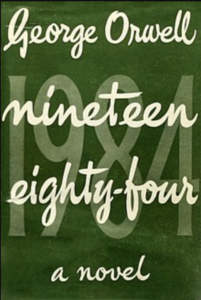
Traditionally, the term “Orwellian” has referred to a government that controls and monitors every aspect of its citizens’ lives, much like the world depicted in George Orwell’s renowned novel 1984. Many believe this dystopian future is a distant threat, yet we may not realize that this reality is already here—though the threat no longer solely comes from governments.
Without much thought, we voluntarily interact with Orwell’s concept of Big Brother every single day. We willingly provide companies with access to our personal data: our locations, actions, and even our thoughts. In return for this constant stream of information, we receive entertainment, memes, instant messaging, and endless cat videos.
Even More Powerful than Governments
It may sound alarmist, but it is fair to say that the Orwellian nightmare is already unfolding. The moment we clicked “accept” on the user agreements—agreements we rarely read in full—while signing up for social media, we opened the doors to this new reality.
This development is something Orwell himself may never have predicted. Today, the “Big Brother” we must be wary of is not the government, but the social media platforms that have become integral to our daily routines. While perhaps less overtly sinister than Orwell envisioned, these platforms are just as pervasive and intrusive.
Platforms like Facebook (now Meta), Google, Twitter (now X), TikTok, and countless others that harvest our data have become omnipresent in the lives of netizens. We have granted them unrestricted access to our personal information, which seems to have become a basic expectation of modern life.
In many respects, these platforms wield more influence than governments. They know what entertains us, what angers us, and what our unique preferences are—and they leverage this knowledge for their own benefit.
In Exchange for Personal Data
Every time we use a platform—whether it’s ChatGPT, or the latest AI chatbot from tech giants like Google, Apple, Samsung, or Microsoft—we’re exchanging data about ourselves for convenience, entertainment, and connectivity. On the surface, this may seem like a reasonable trade.
Sometimes, these companies do seek our permission to collect data, but we are left to trust their promises that they will use it solely for our benefit—customizing recommendations and responses to our needs. However, there is always the risk that our personal information might end up in the wrong hands.
Any technology that collects data about people can be dangerous, and it is the responsibility of regulators to ensure these companies do not misuse our information. Yet, with technology evolving at a breakneck pace, regulation often struggles to keep up.
Big Brother Holds All the Power
Companies like Meta and TikTok operate within the boundaries of their terms and conditions, using our information to refine their algorithms. These algorithms shape—and influence—our preferences and choices in a truly Orwellian fashion.
The consequences are clear: we now inhabit echo chambers that reflect and amplify our own beliefs, with built-in confirmation bias reinforcing our perspectives on a daily basis. This environment can foster radical ideas and behaviors.
To their credit, these platforms do attempt to monitor and limit the spread of such content. Nevertheless, they ultimately possess the power to decide which ideas are deemed acceptable.
Up to Us to be Vigilant
Should we simply accept this Orwellian nightmare as inevitable? Personally, I refuse to be complacent.
This is not a call to abandon social media or digital platforms altogether—they offer significant advantages, such as effortless connectivity and limitless access to information.
While regulators are responsible for overseeing these entities, it remains our duty to control the information we share, ensuring that platforms cannot exploit our data. We must remain vigilant and conscious of the impact of algorithms on our digital experiences.
Admittedly, this is easier said than done. Nonetheless, practicing caution is essential. As the old cybersecurity saying goes: “think before you click.” Perhaps we should also remind ourselves to “think before you post.” This mindset is crucial in today’s digital world.
This discussion is far from over—there is much more to explore on this topic. My hope is simply to encourage reflection on our everyday experiences with these platforms, and to consider how we can better protect ourselves:
- What has your experience been with this modern Orwellian reality?
- Do you agree or disagree with these thoughts?
Share your perspective in the comments, and let’s discuss how we can ensure these platforms serve our interests, not the other way around.