Series: Inside the Campaign
Fifth of 10 Parts
Key Takeaways
- Our best campaign content came from volunteers, not professionals
- Digital natives from each region created content that was believed because it was true
- Our central role was direction-setter and curator — not creator
- The result was a content ecosystem that felt alive, because it was
- The lesson: find your believers, give them a direction not a script, then get out of the way
There is a fantasy that persists in the marketing and communications industry — that the best content comes from the best creative teams. That a campaign is only as good as the agency behind it.
The 2016 Duterte campaign was, among other things, a refutation of that idea.
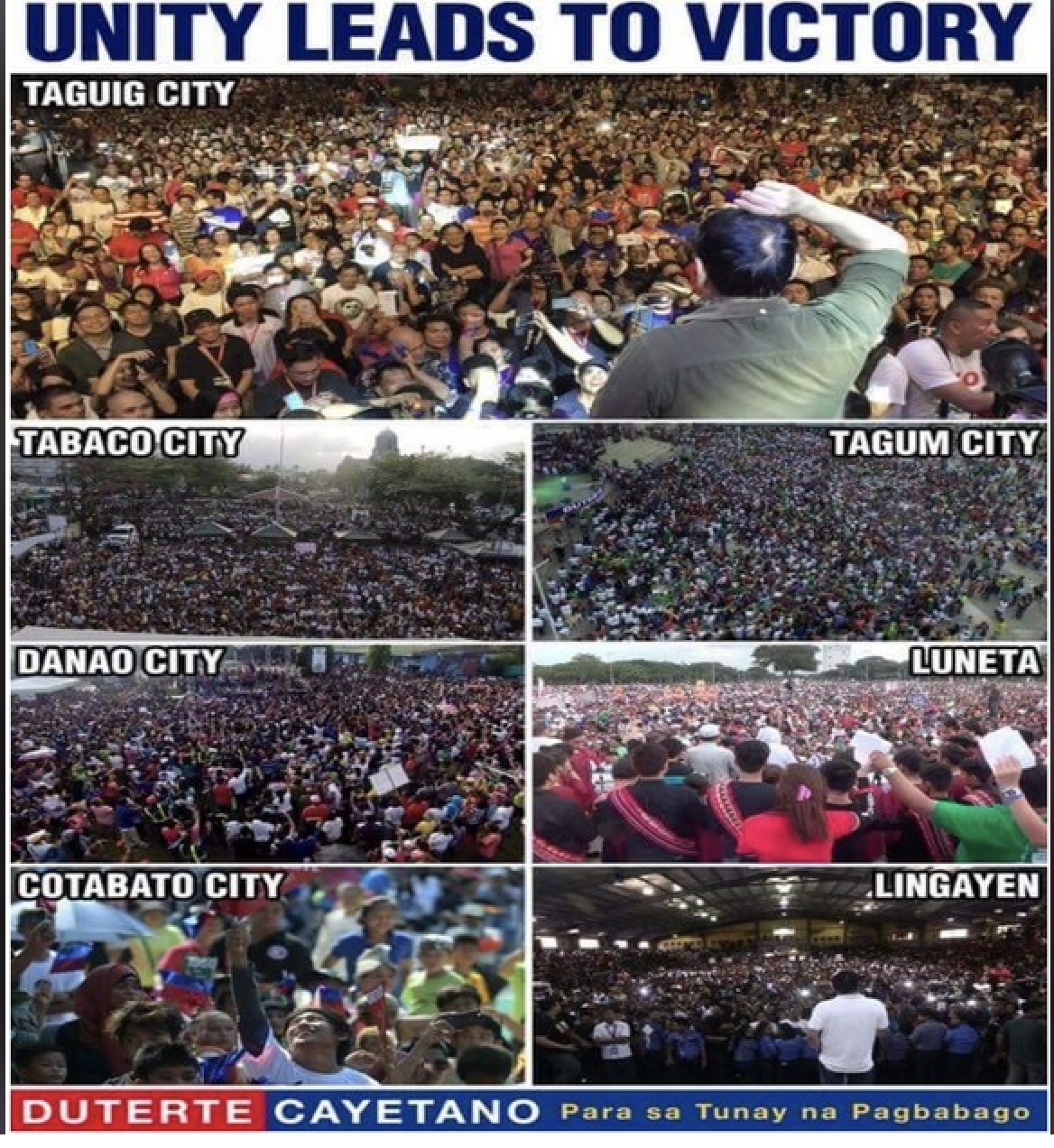
We didn’t have the resources to hire the country’s leading agencies. We didn’t have a war room full of award-winning creatives. What we had were thousands of volunteers spread across the archipelago — people who believed in a candidate so deeply that they were willing to spend their evenings and weekends fighting for him online, for free.
And many of them were extraordinary.
The discovery
When I began to get a clearer picture of our social media volunteer network, I was struck by something I hadn’t anticipated: embedded within these groups of passionate supporters were natural copywriters, instinctive graphic artists, talented writers, and digital natives who understood the culture of their platforms in ways that no Manila-based creative team could replicate.
More importantly, they were from somewhere. A volunteer in Cagayan de Oro writing about crime in their neighborhood wasn’t interpreting a brief — they were living the story. A supporter in Cebu crafting a meme about regional pride wasn’t executing a strategy — they were expressing a genuine feeling. A Davaoeña sharing her story of an encounter with Mayor Duterte wasn’t performing a testimonial — she was telling the truth.
That authenticity cannot be purchased. It can only be cultivated.
How we organized it
Our role as the central team was not to create the content — it was to create the conditions for the content to flourish.
Each week, we communicated the message priority: the theme, the tone, the key point we needed to amplify. From there, we let the regional teams run. They created their own memes, wrote their own posts, crafted their own arguments in their own dialects and voices. A creative brief from us would have flattened all of that into something generic and inauthentic.
We monitored what was gaining traction and boosted it. We flagged what was going too far and asked for it to be taken down. We suggested formats or angles when a team seemed stuck. But we did not write their scripts for them.
The result was a content ecosystem that felt alive — because it was. It wasn’t a campaign. It was a movement expressing itself in thousands of simultaneous voices.
The contrast with conventional campaigns
In a typical agency-driven campaign, content is produced centrally, approved through layers of review, and distributed downward. It is consistent. It is controlled. And it often feels exactly like what it is — manufactured.
User-generated content is messier. It is harder to manage. It will occasionally produce things that make your communications team wince. But it has a quality that no agency brief can produce: it is believed.
People can tell the difference between a post that comes from genuine feeling and one that comes from a strategy deck.
What this means for you
If you are running a campaign — political or commercial — and your instinct is to control every piece of content that goes out under your banner, I would ask you to reconsider.
Find your believers. Give them a direction, not a script. Give them a cause, not a brief. Create the conditions for their creativity to flourish, and then get out of the way.
A hundred flowers blooming is more powerful than a single perfect rose.
Previously: Post 04 — Exploiting regional identity → Next: Post 06 — Arouse, organize, mobilize →
About the Author
Nic Gabunada is a veteran communications strategist who served in the Communications Group of the Duterte Presidential Campaign. He managed TV, radio, and social media strategy for the 2016 election. He writes about digital strategy, political communications, and the future of media. You may contact him via the following contact details: Email: nicgabjr@gmail.com and X:@nicgabunada