
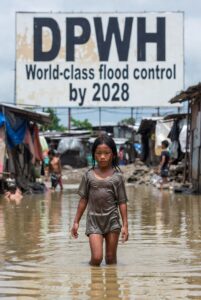
The ongoing corruption probes and actual findings of widespread corruption have a direct, measurable impact on the Philippine economy, primarily by validating and exacerbating pre-existing structural issues. Since the corruption issues hugged both the mainstream and social media headlines, I started making notes on how bad this will be for our economy.
Here is what I have in my notes as of the date/time of this posting: November 24, 2025 at 6pm. I hope to expound on this topic and the categories cited in a future blog.
Examples of the Economic Effects of Corruption in the Philippines:
| Economic Category | Mechanism of Corruption | Concrete Example or Scenario | Direct Economic Effect |
| Fiscal Leakage (Revenue) | Smuggling and Customs Fraud | Billions of pesos in lost revenue annually due to misdeclared or undervalued shipments at the Bureau of Customs (BOC), particularly commodities like fuel, and rice and other agricultural products.. | Starves the national budget and necessitates higher borrowing or tax increases. |
| Misallocation of Funds | “Pork Barrel” or Discretionary Fund Abuse | Funds legally intended for flood control and for building rural health centers are diverted to non-existent “ghost projects” or to the accounts of favored non-governmental organizations (NGOs) and contractors controlled by corrupt officials. | Leads to poor public service delivery; citizens lack essential health facilities despite allocated budget. Add flooding due to ghost flood control projects |
| Distortion of Public Spending | Bending Policy for Personal/Political Gain | Government funds are prioritized for highly visible, non-essential “trophy projects” (e.g., unnecessary sports complexes, ornate arches) in the official’s home district, while critical but less visible needs (e.g., sanitation, primary education materials) across the country are underfunded. | Sub-optimal capital allocation; public investment fails to generate the highest potential social and economic returns, slowing long-term productivity growth. |
| Increased Project Costs | Inflated Public Contracts | A road construction project that should cost P30 million is awarded for P90 million due to collusion between a politician and a contractor who pay kickbacks to secure the deal. | Massive waste of taxpayer money; poor quality infrastructure that needs early repairs, increasing long-term maintenance costs. |
| Deterrence of FDI | Judicial and Regulatory Graft | A foreign company attempts to enforce a legitimate contract through the local courts but faces years of delay, inconsistent rulings, or demands for bribes from judicial staff to expedite the case. | The company withdraws its investment, citing a lack of confidence in the rule of law and an inability to protect its assets. |
| Cost of Doing Business | Regulatory Friction/Bribery | A local manufacturer needs a permit to operate a new factory. The process takes six months, unless a “grease money” payment is made to an official, reducing the wait time to one week. | Increases transactional costs for business, discouraging small and medium enterprises (SMEs) that cannot afford bribes. |
| Institutional Decay | Police or Law Enforcement Corruption | Traffic enforcers routinely extort money from motorists for minor violations instead of issuing proper tickets, or police officials shield illegal activities (e.g., gambling, drug trade). | Undermines public trust; law enforcement shifts focus from public safety to self-enrichment, leading to higher crime rates and insecurity. |
| Social and Human Capital | Nepotism/Unfair Opportunity | Qualified civil servants are overlooked for promotions in favor of political appointees who lack the necessary skills but are loyal to the incumbent politician. | Causes “Brain Drain,” where skilled, ethical Filipino professionals emigrate to countries that offer merit-based career advancement and a cleaner working environment. |