Series: Inside the Campaign
Seventh of Ten Parts
Key Takeaways
- Our first TV buy was ₱8M — used to test four regional cities, not flood national airwaves
- The leading spender spent ₱500M+ on advocacy ads. Our official spend was ₱371M — and our real media value was multiples of that
- Every peso constraint forced a more creative, more targeted decision
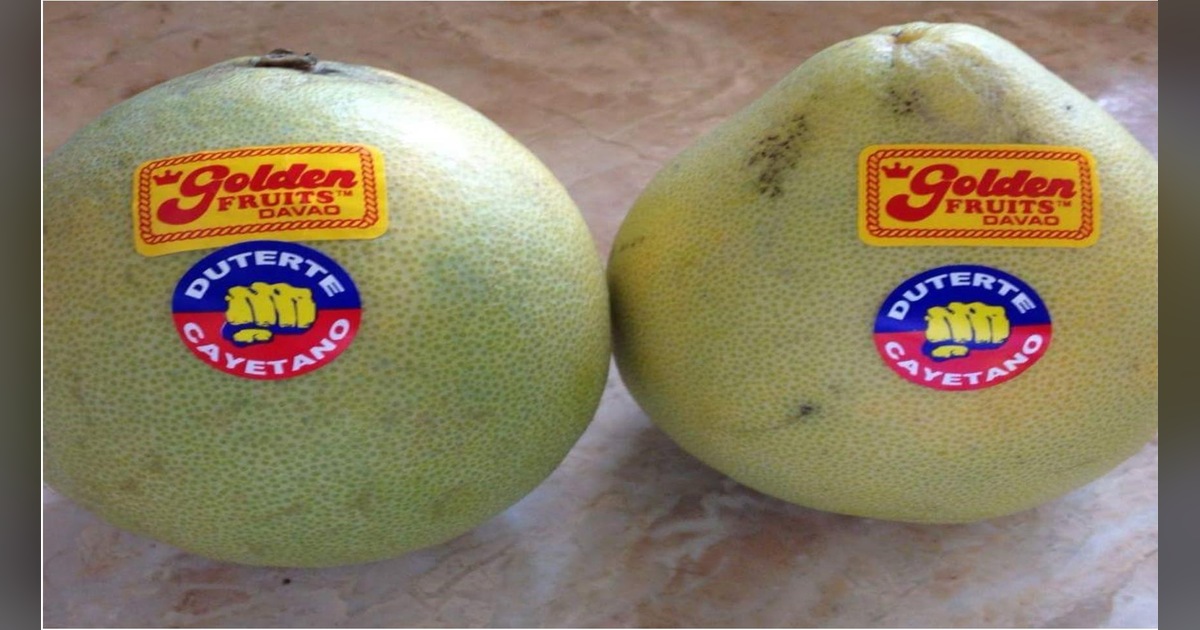
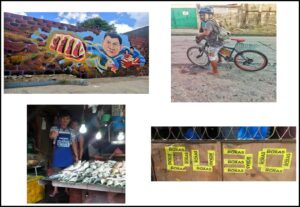
- The pomelo sticker, the apron, the bicycle man — zero-budget content that traveled further than a billboard
- The lesson: money buys reach. Belief builds movements. Scarcity is an editor, not just an obstacle
Let me tell you about our first TV buy.
₱8 million. That was our initial television budget for what would become the most consequential presidential campaign in recent Philippine history. With ₱8 million, we couldn’t run a national campaign. We couldn’t even run a Manila campaign. What we could do was run test ads in select regional markets — Cagayan de Oro, Iloilo/Bacolod, and the Ilocos Region — to gauge how real Filipinos outside the capital responded to the idea of a Duterte presidency.
The leading spender in the same race would eventually pour more than ₱500 million into advocacy ads. Our official spend across the entire campaign was ₱371 million — but in reality, we got media values that were multiples of that figure: partly because I knew how to negotiate, and partly because of the added value we earned from social media exposure and engagement.
We should not have been competitive. By any conventional measure of campaign resource allocation, we were outgunned in every direction.
And yet.
Scarcity forces creativity
The ₱8 million TV test served three purposes we didn’t fully anticipate when we planned it. First, it tested market reaction — how did voters in key regional cities respond to the idea of a Duterte presidential run? Second, it gave our social media teams their first piece of formal content to share, discuss, and build from. Third — and this was entirely unintentional — it gave early supporters a concrete sense of the scale of investment a real campaign would require, which in turn motivated some of them to contribute.
Three outcomes from one media buy. That’s the math of scarcity.
Find the medium that suits your candidate
Not every candidate needs TV in the same way. Not every brand needs a full-page ad. The question is not “how do we reach the most people?” but “how do we reach the right people in the way that will move them?”
Duterte was a social media candidate before we decided he was a social media candidate. His personality — direct, unscripted, outrageous, memorable — was built for a medium that rewards authenticity and punishes polish. TV, with its production values and its 30-second constraints, would have domesticated him. Social media let him be himself.
Maximize what you have
When you can’t afford social listening tools, you use Facebook’s search function and you read every comment manually. When you can’t afford web conferencing equipment, you run your national strategy meetings over WhatsApp and Viber. When you can’t afford a national print run, you encourage supporters to create their own materials — and you discover that a sticker on a pomelo at a public market reaches more people, and generates more conversation, than a billboard on EDSA.
One of my favorite images from the campaign was a fish vendor at a wet market wearing a Duterte apron. Another was a man on a bicycle with a handmade campaign sign. Another was a wall painting in a province that no agency had contracted for.
These weren’t budget constraints. They were the campaign.
Constraints are not only obstacles. They are also editors. When you cannot do everything, you are forced to do the right things.
What this means for you
The campaigns that win on small budgets are rarely the ones that simply spend less. They are the ones that think harder, work faster, and build genuine belief in what they are campaigning for.
If you are managing a campaign or a brand with limited resources, resist the temptation to spread that budget thin in an attempt to appear everywhere. Instead: identify the one or two things that matter most to your audience, and do those with everything you have.
Money buys reach. Belief builds movements. And in 2016, we had a movement.
Previously: Post 06 — Arouse, organize, mobilize→ Next: Post 08 — How social media democratized narrative making →