Part two of seven. Edwin Espejo published this series on Facebook in June and July 2021. It is republished here in full and lightly copyedited; the introduction below is mine, not his. I am a subject of the series as well as its publisher. It concerns the 2016 campaign and not subsequent events, including the proceedings now before the International Criminal Court. Full editorial note and series index →
Introduction by Nic Gabunada
In this second installment, Edwin moves from the myths to the mechanics.
Most of the public argument about 2016 has been an argument about a troll army. It skips the part that actually decided the election. We could open doors to the networks and the newsrooms, and we did. We could move material fast, and we did. But none of it would have moved anything if the candidate had needed to be translated.
He did not. Duterte was his own communications plan, to the visible frustration of the professionals who arrived later with daily message boards he had no intention of reading. That is the part the troll story cannot accommodate — which is precisely why it stays useful to the people telling it.
— Nic Gabunada
Decapitating the ‘Trolls’ of Duterte
Second of a series
By Edwin Espejo | June 29, 2021
Gabunada provided the network that allowed the Duterte multi-media teams to access the national television networks and major newspaper outlets. And together with Alan Peter Cayetano’s own media team, the Duterte communications group evolved and gained strength as the Duterte campaign gained traction and began to attract large and cross sections of the Philippine body politic.
Many were later humbled and dumbfounded by the speed and breadth that the Duterte media group was able to connect and reach the Filipino consciousness.
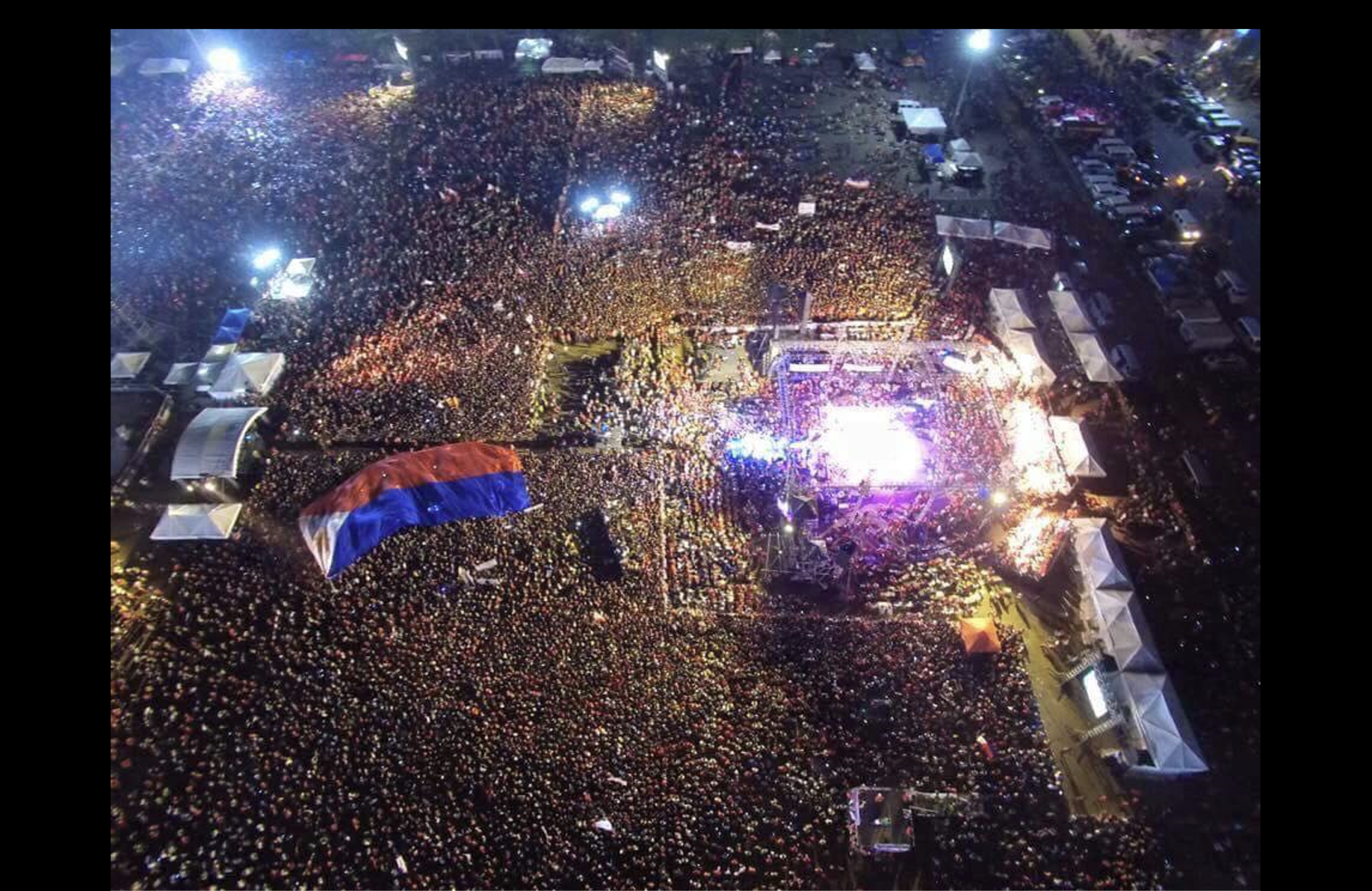
All the messaging and campaign lines would not have resonated if there was no groundswell of support from the people.
Most of all, and more importantly, Duterte was his own walking PR man.
Duterte, to the dismay of a professional PR consulting firm that later came on board the Duterte-Cayetano campaign team, stuck to his narrative of drugs, crime and corruption spewing one-liners, anecdotes, humor and shocking his critics with curses. Duterte would have none of the daily message boards which were put on the table by communication specialists.
It was his curses and public rants that connected him to an audience that was described as protest voters in a TV program hosted by Tina Muñoz-Palma.
Yes, a large segment of the 2016 Duterte votes was a repudiation of the previous administration’s inadequacies and disconnected leadership.
Duterte’s votes in 2016 were a product of a mass movement phenomenon. Many called it a social and political aberration.
(To be continued)
Edwin Espejo is a journalist based in General Santos City who has written for Asian Correspondent and MindaNews and shoots for Agence France-Presse. He chaired the General Santos City chapter of the National Union of Journalists of the Philippines, and in 2012 was sued for ₱75 million by then-congressman Manny Pacquiao over his reporting. He served as a commissioner of the National Commission of Senior Citizens from January 2021 to April 2026, including when this series was written. Fuller biographical note →
Notes:
Decapitating the ‘trolls’ of Duterte — Edwin Espejo’s seven-part series
Part 1 — Decapitating the ‘trolls’ of Duterte: A 7-Part Retrospective
Part 2 — The Anatomy of a Disconnect: Why the ‘Troll’ Narrative Failed to Explain 2016 (you are here)
Part 3 — The Unseen Momentum: Rewriting the Rules of Engagement
Part 4 — A Target Board Over My Back
Part 5 — The Story That Comes Back Every Election Season
Part 6 — The Ad Men Can Only Be as Good as the Product
Part 7 — Beyond the ‘Troll’ Label: A Reality Check for the Opposition
This post was published on March 20, 2024. My introduction has been revised. The original text has been lightly copyedited for typographical errors. No argument, characterization or judgment in Edwin Espejo’s original has been altered.