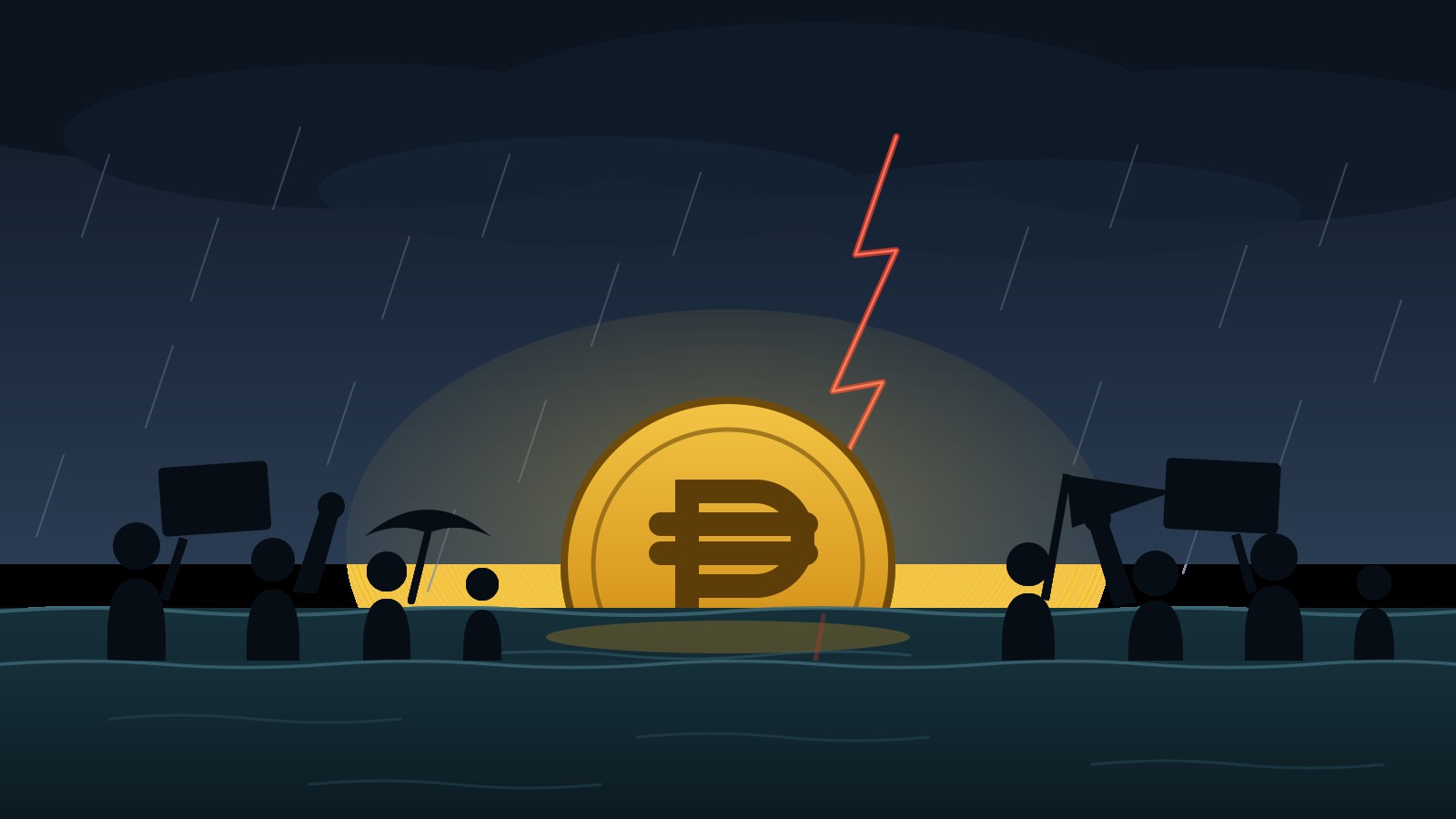
They tried their best to hide their corruption. Then God sent the rains.
They tried their best to hide their corruption. Then their kids flaunted the wealth online.
Hearing after hearing, the pressure built. And then the storm broke — not the rains this time, but people. They flooded the streets. And like the rains, they were unpredictable: some peaceful, some forceful, some outright violent.
A Storm That Broke Nationwide
The floods of outrage culminated on September 21 — the day we commemorate the declaration of Martial Law, the start of one of the darkest chapters in Philippine history. The date was no accident.
It felt like every sector of Philippine society showed up that day — including factions that, as I’ve written before, usually spend their energy positioning against each other. The full spectrum of protest was on display: from the peaceful and prayerful at the Trillion Peso March, to the angry and cursing, to the violent and destructive.
And this was not a localized storm. It was nationwide. Not just Luneta, EDSA, or Mendiola — but Angeles, Olongapo, Baguio, Bulacan, Tagbilaran, Davao, Bacolod, Cebu, Dumaguete, and Iloilo.
Like a storm breaking, it felt like it was only just beginning.
The Flood of Information
It is hard to keep up. The flood of information online is overwhelming. Like the rains, everything is volatile and unpredictable. Every single day brings something new.
New names implicated. New revelations from resource persons who entered the hearings as villains and now sit as witnesses.
Some children of the accused are deleting their YouTube channels — damage control. Others are publicly denouncing their own parents — probably also damage control.
Some politicians are tagged “safe” in one hearing, then not safe in the next. Some clear their names, only to be implicated again — this time by one of the villains-turned-witnesses.
Floods Don’t Wash Away. They Expose.
Here is what the past weeks have shown us: in this country, the floods don’t wash things away. They expose them.
The scale of the anomalies — ghost projects, substandard works, funds that may run into the trillions — was hidden in plain sight for years. It took actual floodwaters in people’s homes to force it into the open.
Hopefully, this time, real change happens. Instead of waiting for these floods to subside, we should embrace them. Feed them. Keep the pressure on until those in power have no choice but to address this corruption at its heart.
Wishful thinking? Definitely. But all we can do is carry on — and watch, and remember, and refuse to look away.
Postscript
Since the September 21 marches, the movement has not subsided — follow-up protests were held on November 30 and again on February 25. The storm, it turns out, really was only just beginning.
For a look at how campaigns are actually fought from the inside, read my ongoing series [Inside the Campaign] — a memoir of the 2016 presidential campaign, publishing every Tuesday.