Series: Inside the Campaign
Second of 10 Parts
Key Takeaways
- Duterte told us directly: don’t package me differently from who I am
- We presented both sides of the candidate — unflinchingly — and let voters decide
- Research confirmed: authenticity was the #1 thing voters liked about him
- Manufactured relatability fails — voters have finely tuned authenticity detectors
- The lesson: authenticity is a strategic commitment, not a communications style
There is a standard playbook in political communications. You take the candidate. You identify their strongest qualities. You amplify those. You sand down the rough edges. You package them into something the broadest possible audience can accept.
We threw that playbook out from day one.
Not because we were contrarian. Not because we were underfunded — though we were. But because the candidate himself told us to.
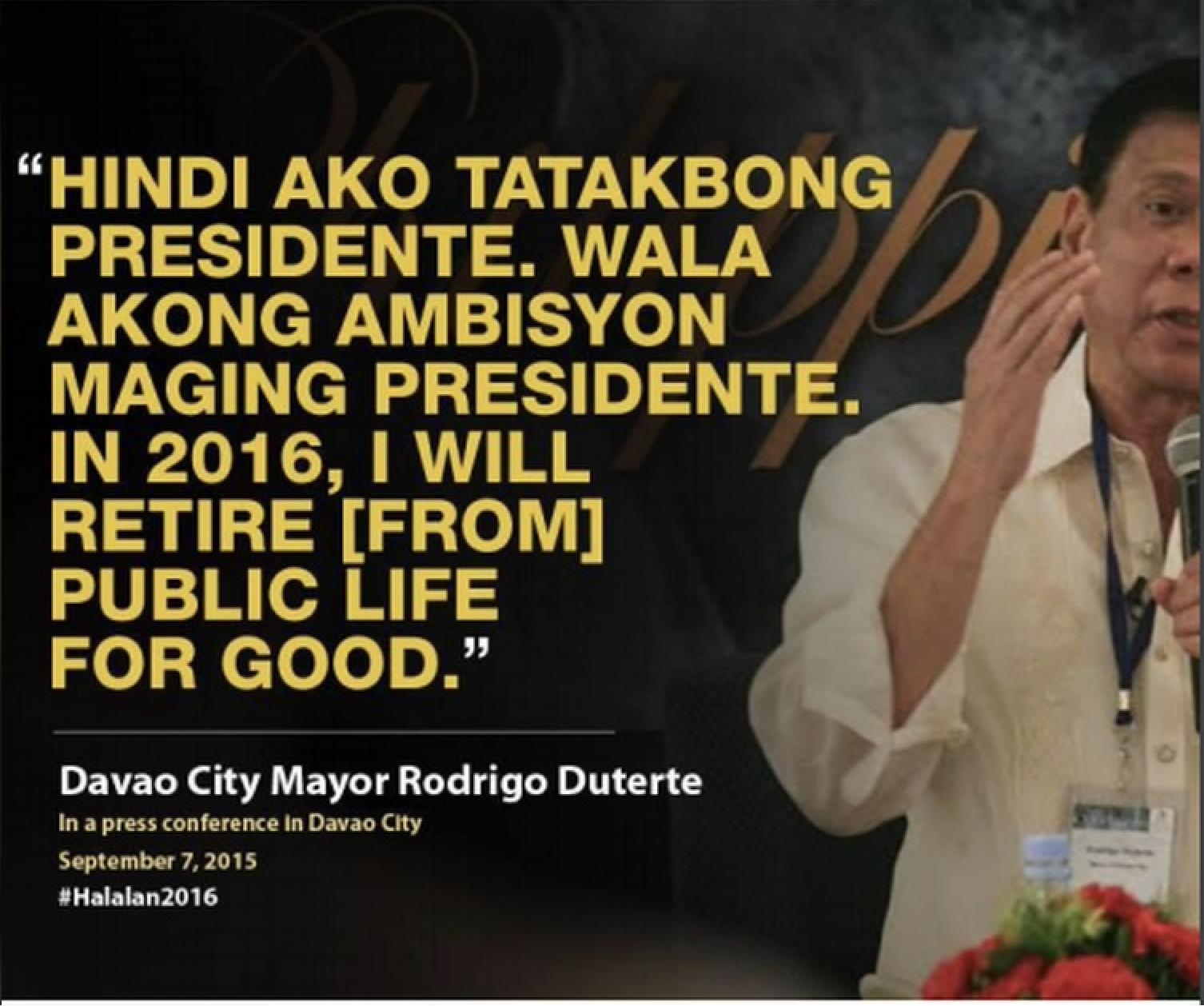
“Hilasan ko.” That was how Mayor Duterte said it to us early in the campaign. In Bisaya, it means: it makes me uncomfortable — to the point of nausea. He was talking about the idea of being packaged differently from who he is. His instruction to us was clear: present him as himself. The electorate would have to accept him, like him, and vote for him for exactly what he is.
So we did. Warts and all.
Who Rodrigo Duterte was — and wasn’t
Let me be honest about what we were working with. We had a candidate who was:
- Openly reluctant to run
- Without a national political organization
- Without significant campaign funds
- Without prior experience in national office
- Known for association with the Davao Death Squad
- A self-confessed womanizer
- A man who punctuated nearly every statement with a curse word
- A probinsyano — accent, fashion sense, and all
By every conventional standard of political packaging, this was a communications nightmare.
But there was another side to Duterte that was equally real: the mayor who transformed Davao City from one of the most dangerous cities in the Philippines to one of its most orderly and prosperous. Davaoeños spoke of him with a specific kind of fondness — not the manufactured adoration of a campaign, but the genuine pride of people who had seen their city change under his watch. They had stories. Personal ones. About the time the mayor showed up unannounced at a crime scene. About how safe they felt walking home at night. About a leader who answered his own phone.
Two faces of the same coin. We presented both.
What the research told us
Research results from the campaign confirmed what our instincts were already telling us: one of the things voters liked most about Duterte was his authenticity. Not his policies. Not his platform. His authenticity. Walang halong drama. He was exactly what he appeared to be, and in a political landscape saturated with scripted sincerity and manufactured relatability, that was extraordinary.
Compare that to the image of his main rival doing a traffic-directing stunt in a kempt barong — an image so perfectly staged it achieved the opposite of its intention. Or the carefully managed public persona of a candidate whose genuine self remained perpetually out of reach.
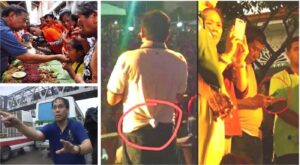
Voters knew the difference.
The most dangerous thing you can do in a social media environment is perform authenticity. People don’t just notice. They remember.
What this means for you
Authenticity is not a style choice. It is not a tone of voice or a content format. It is a strategic commitment — and it is among the most durable competitive advantages a candidate or brand can have.
But it only works if it is actually true. You cannot manufacture authenticity. You can only reveal it, protect it, and resist the temptation to sand it down when it makes people uncomfortable.
Our candidate made people deeply uncomfortable — regularly and deliberately. Our job was not to apologize for that. Our job was to make sure the discomfort was seen alongside the substance. Let voters make up their own minds.
On May 9, 2016, 16 million of them did.
Previously: Post 01 — Why social media was the real tipping point → Next: Post 03 — How we framed the field: the art of political positioning →
If this resonated, share it with a brand manager or political consultant who is still over-polishing their message.
Email: nicgabjr@gmail.com X: @nicgabunada.com